Field Notes from The Grove: What 60 Unicorn Founders Are Talking About
Every year, we convene, with Reid Hoffman, a hand-picked group of unicorn founders for an off-the-record, 24 hour gathering with no press.
We call it The Grove.
2025 marked our fifth convening (see highlights from the 2024 edition). Over the years, participants have included Jensen Huang, Sam Altman, Satya Nadella, Michael Dell, Andy Jassy, Patrick Collison, Sarah Blakely, Adam D'Angelo, Alexandr Wang, Anne Wojcicki, Fidji Simo, Eric Glyman, Tony Xu, Eric Yuan, David Baszucki, Diane Greene, Mira Murati, Ev Williams, Ryan Petersen, Shishir Mehrotra, Sid Sijbrandij, Eric Schmidt, Amjad Masad, Guillermo Rauch, and many others.
This year, over the course of structured, off-the-record conversations, certain themes kept surfacing.
What follows are field notes from those discussions.
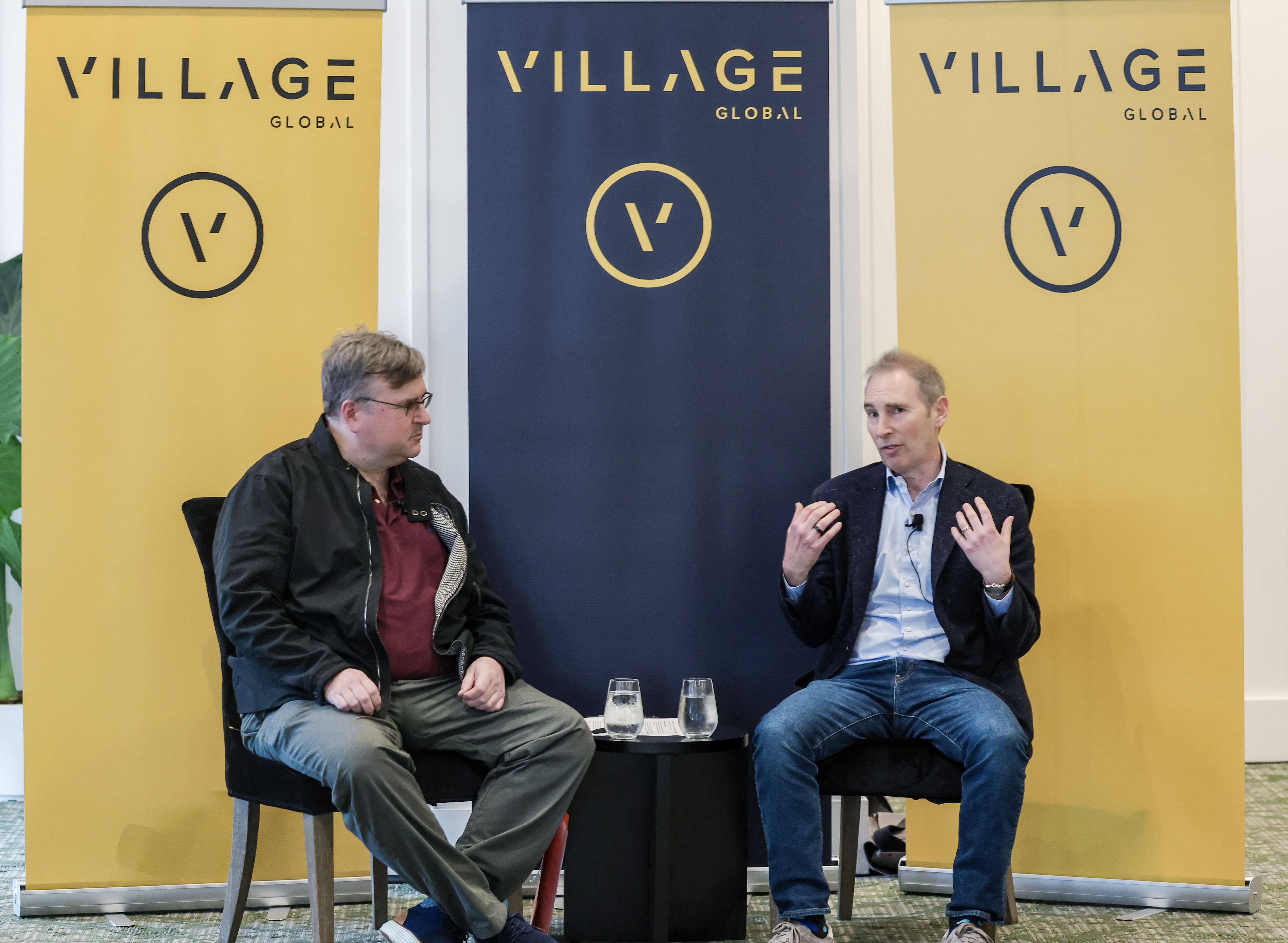
It's hard to get existing employees to become AI-fluent; easier to hire fresh AI-native employees
The optimistic narrative says: train your existing workforce on AI tools and watch productivity soar.
The reality these founders are living in is different.
People who weren't hired fluent in AI are having a hard time catching up. Human resistance to change is immense. The muscle memory of how someone approaches their work is deeply ingrained.
Many CEOs said they’re more inclined to lay folks off and start anew on filling key role with AI-native talent.
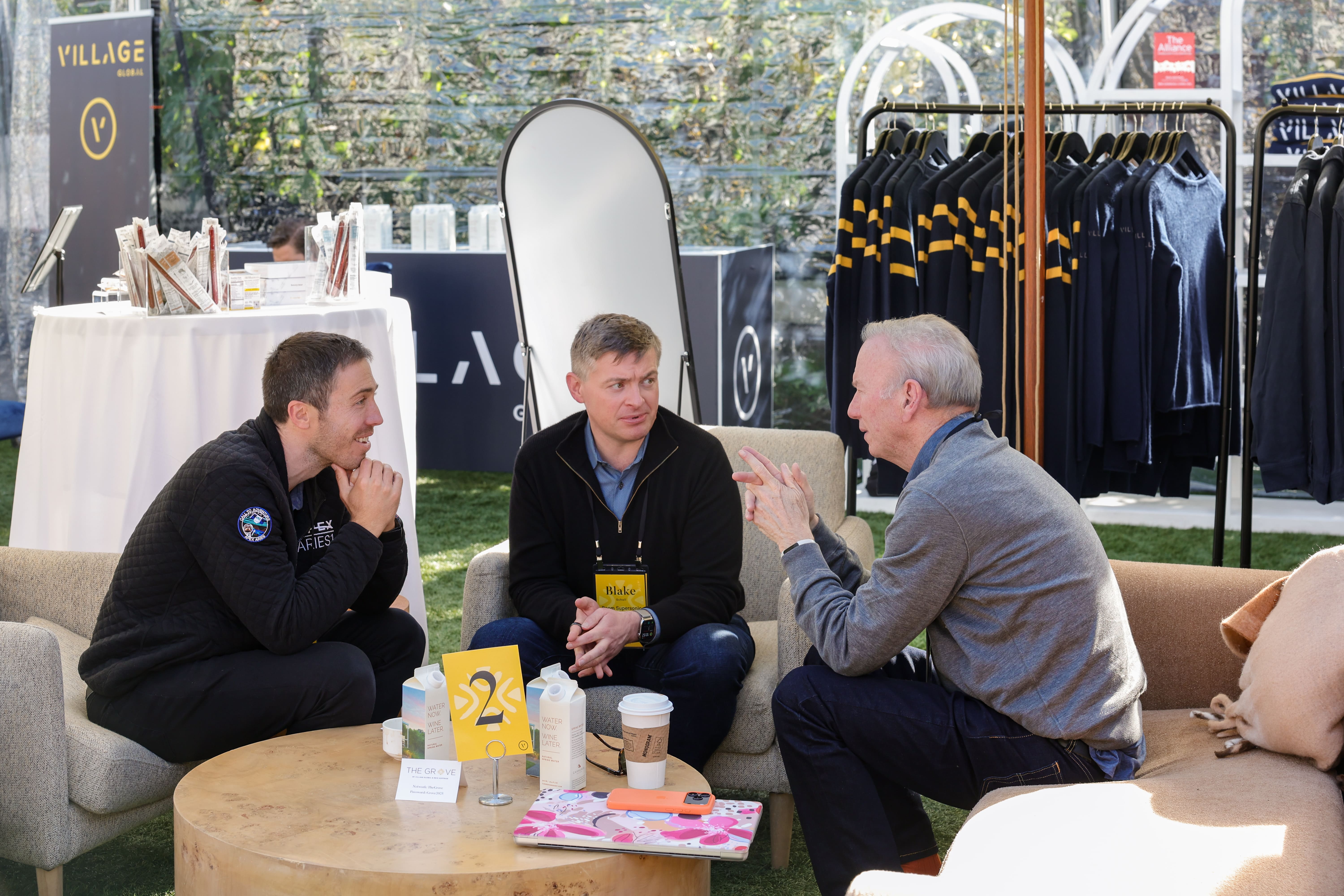
Operating precision is more important than ever
Several founders described what they're calling the "nanomanagement era."
As AI systems scale across your organization, small errors in inputs compound rapidly. A slightly off prompt, a miscalibrated workflow, or an unclear instruction can get amplified through automated systems. What used to be a minor miscommunication now scales into a significant problem before anyone notices.
The response has been to focus on tighter inputs, clearer narratives, and simplified communication architectures.
One founder put it well: "It's not micromanaging. It's being micro-interested."
Micromanaging is about control, while being micro-interested is about precision. It means paying deep attention to the quality of inputs because you understand how they compound downstream.
This reminds us of something Brie Wolfson said on the Village Global podcast. Brie – who helped build Stripe's culture documentation – described how “operating principles at Stripe were cited constantly in daily work. You couldn't get through a day without hearing them multiple times.” The nanomanagement era demands that kind of clarity.
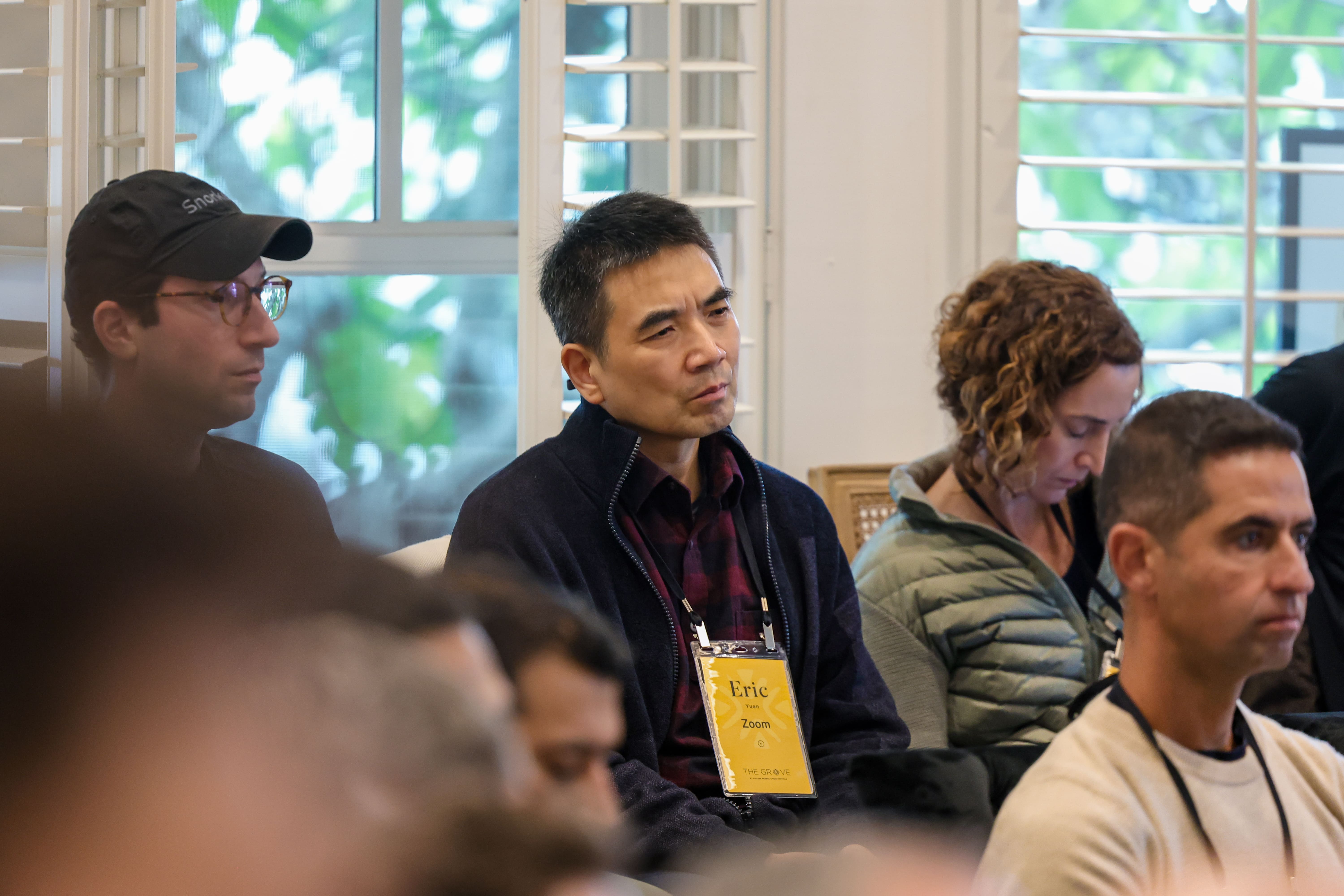
AI adoption requires measurable productivity thresholds
Several CEO talked about AI adoption like any other capital deployment decision, with measurable ROI thresholds and accountability mechanisms.
Some companies are setting a 30% productivity uplift per opex dollar as the bar. If an AI investment doesn't clear that hurdle, it doesn't get resourced. This forces teams to be rigorous about where AI creates real leverage.
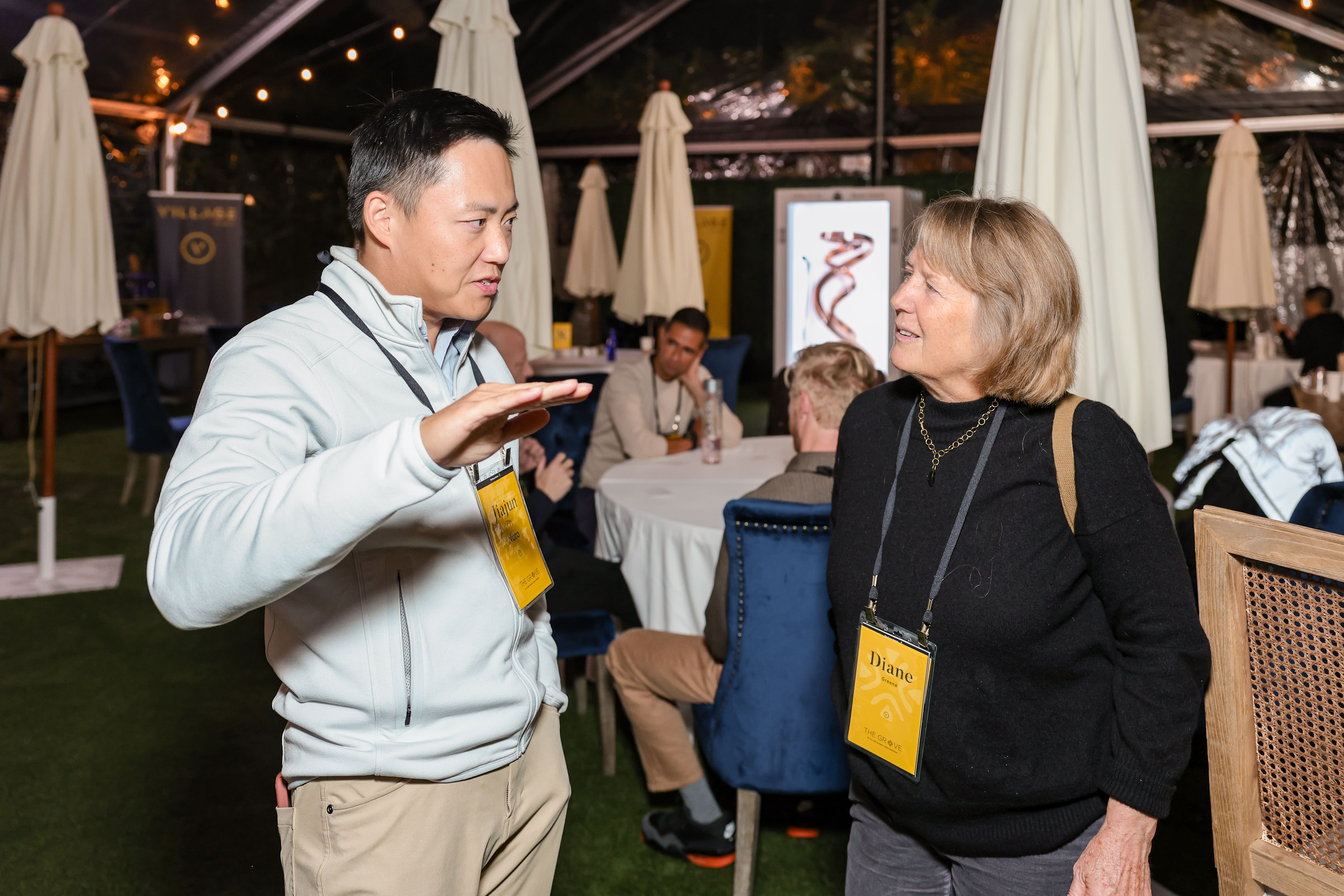
Talent continues to be a strategic obsession
Every scaling CEO at The Grove was obsessed with talent. A few specific tips stood out.
Bar-raisers matter. Several founders have institutionalized the “bar-raiser” concept (which Amazon pioneered), where designated team members have veto power on hires. Without this forcing function, interview loops tend to compromise over time. Someone always has a reason to lower the bar for a specific candidate. Bar-raisers exist to say no when the rest of the loop is tempted to say yes.
Conflict avoidance is the silent killer. When leaders avoid conflict, performance suffers, and company-wide politics increase. The best cultures make productive conflict safe, even expected. When hard conversations don't happen in formal settings, they happen in hallways and Slack DMs instead, and the outcomes are worse.
Post-mortems on rejected candidates. Some companies track what happens to candidates they passed on. Are they passing on people who go on to be great elsewhere? Or were their instincts validated? This calibration exercise helps teams understand whether their hiring bar is correctly set.
Be wary of salespeople from companies where product-market fit was found long ago. Those hires (e.g. AE’s from Stripe) often aren't as resourceful as their resumes suggest. They learned to sell with the wind at their backs, when the product largely sold itself. Selling into headwinds is a different skill, and the interview process rarely surfaces this distinction.
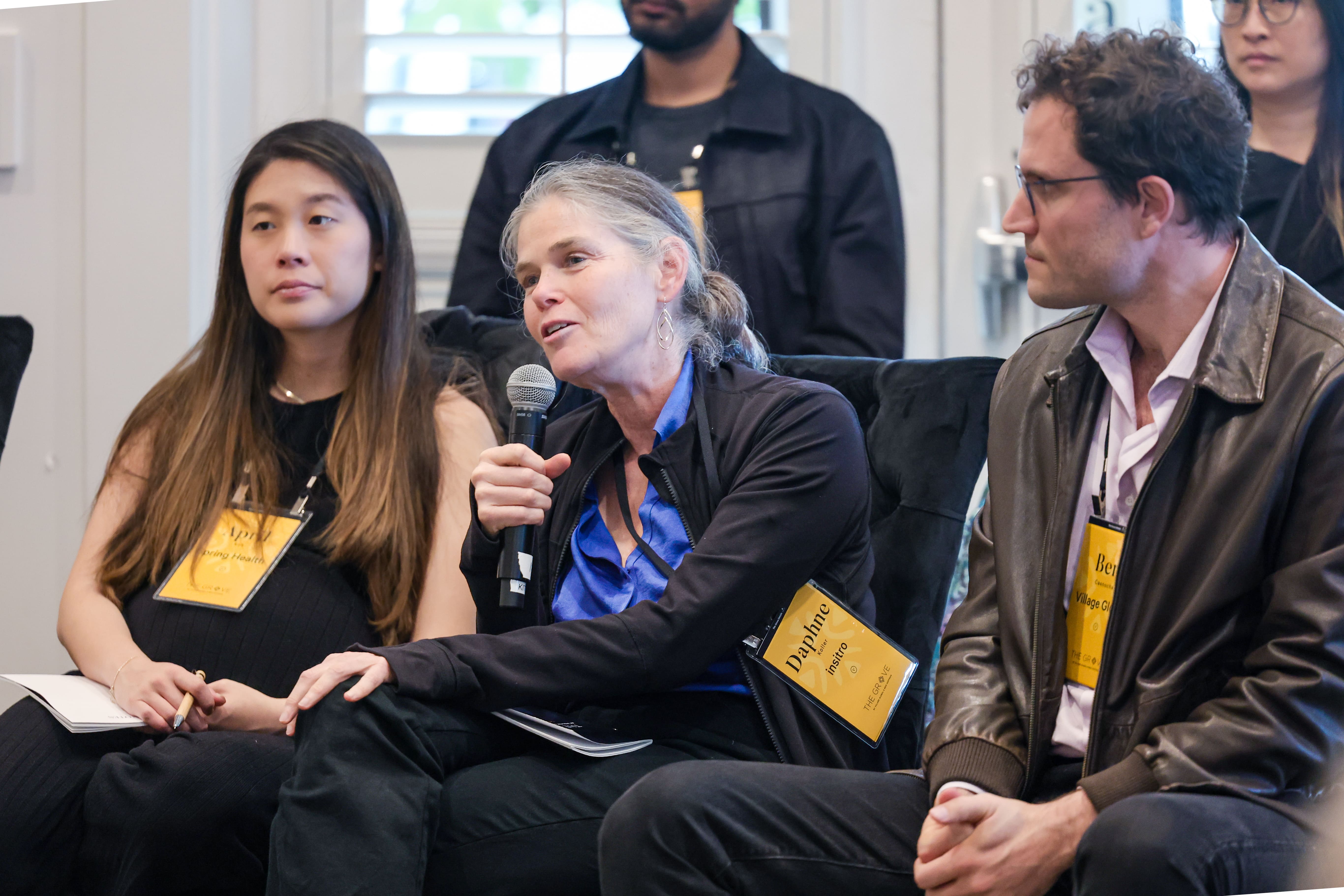
Politics plays a bigger role in business now than in recent memory
Founders expressed genuine concern about the intersection of business and politics, given polarization and fear of retribution.
Whether you think this is appropriate caution or concerning self-censorship depends on your priors. But the shift is real. The wall between business and politics feels thinner than it has in recent memory.
Your company's political positioning is now a strategic consideration in a way it wasn't five years ago.
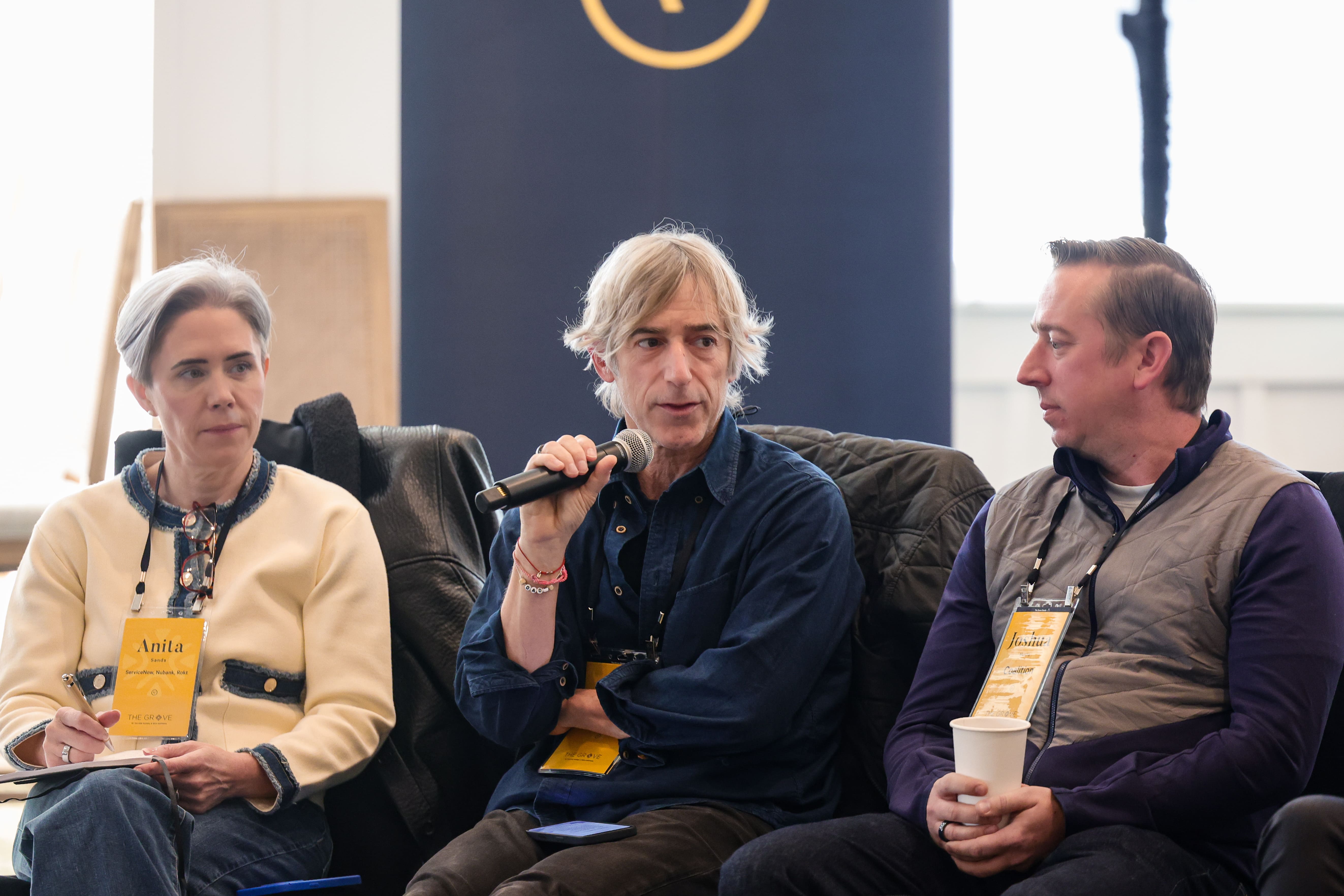
Behavioral discipline and health habits remain a Silicon Valley obsession
CEO wellness came up in nearly every small group conversation.
Founders discussed meditation, sleep hygiene, creatine supplementation, and "fear school," which refers to structured programs for confronting anxieties. The specifics varied, but the pattern was consistent: founders are treating their physical and mental performance as a core operating discipline.
Years ago, only a few founders were willing to talk openly about mental health. Justin Kan was one of them, who told us on the Village Global podcast: “The best founders I know have done significant internal work. Therapy, meditation, coaching. Building a company will expose every insecurity you have.” What was once a brave admission is now common conversation among the CEOs at The Grove.
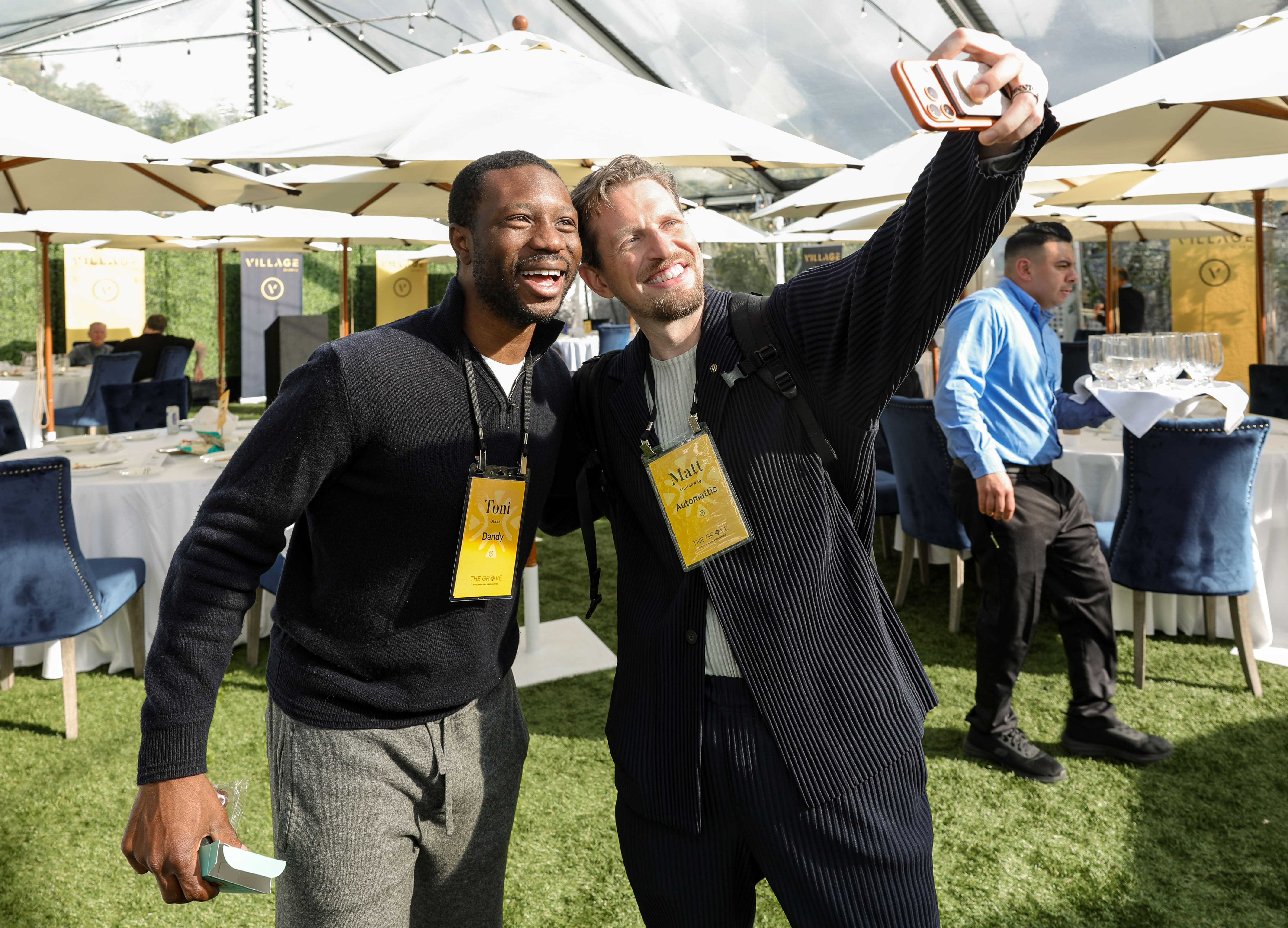
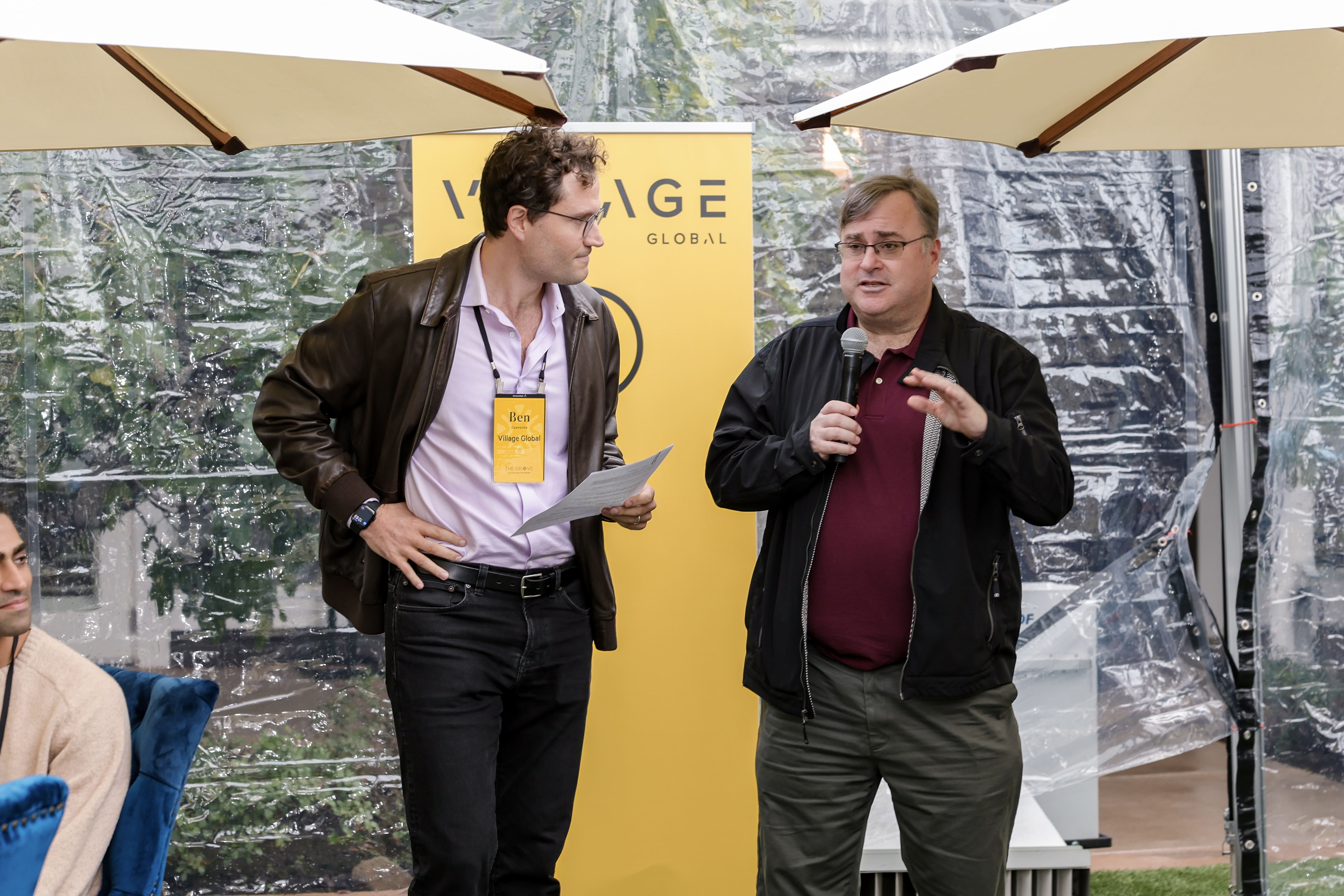
The Grove is valuable because the conversations are unfiltered. There's no posturing for press, and no positioning for the next fundraise. Just founders comparing notes on what's actually happening inside their companies.
These notes capture a snapshot.
Thanks to our co-host Reid Hoffman and the 60+ founders who attended for making The Grove possible.